An official website of the United States government


 ) or https:// means you've safely connected to the .mil website. Share sensitive information only on official, secure websites.


When the Civil War began in 1861, military hospitals quickly filled with wounded troops. Army doctors faced injuries they had never treated on such a large scale. One young surgeon, Dr. John Brinton, believed those cases could help doctors learn and improve care for future patients.
That idea helped shape what would become today's National Museum of Health and Medicine.
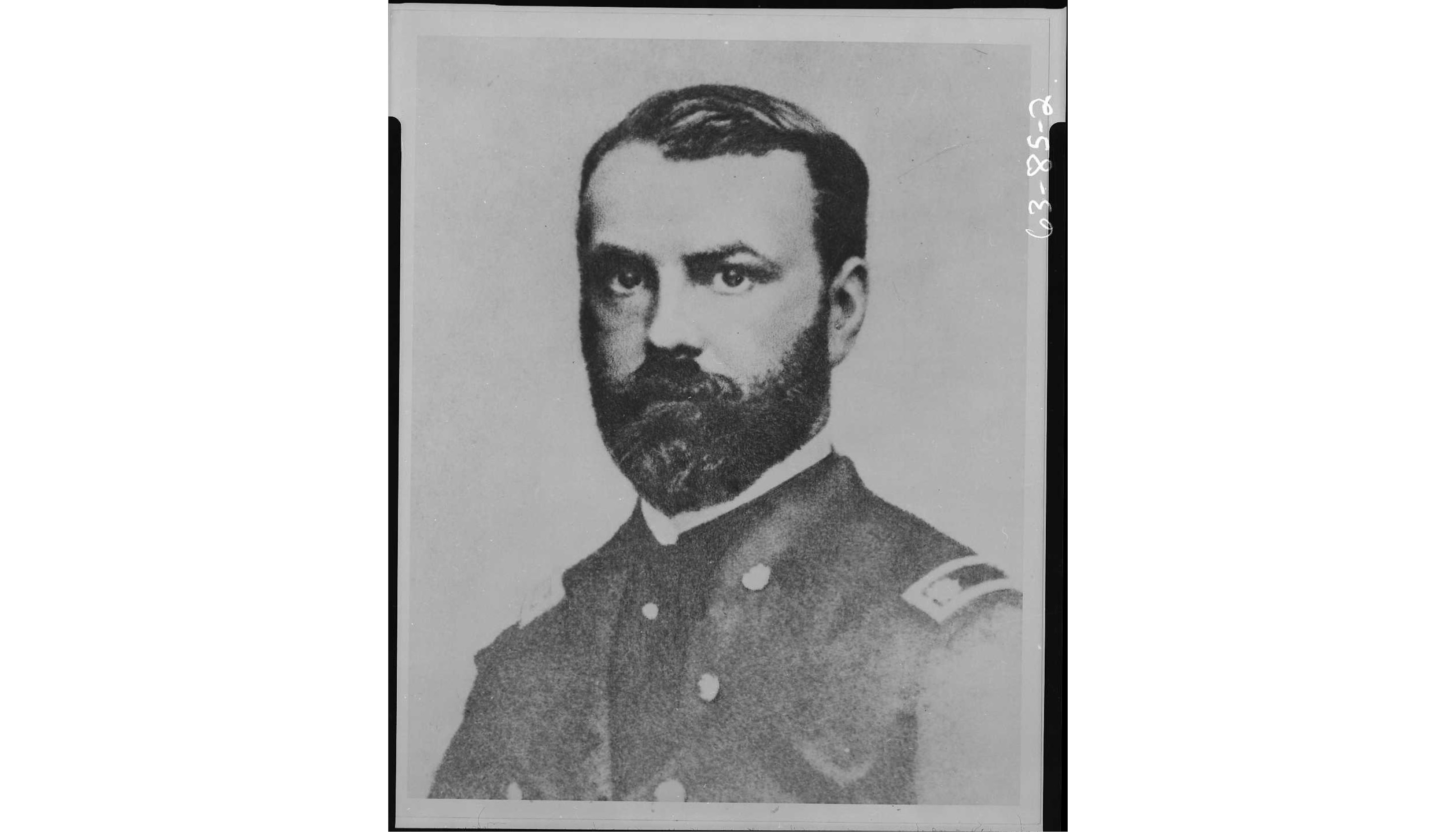
Surgeon John Brinton, U.S. Volunteers, first curator of the Army Medical Museum (National Museum of Health and Medicine), 1862-1864, (NCP 440). OHA 250 New Contributed Photographs, National Museum of Health and Medicine.
Brinton joined the Union Army in 1861 and treated wounded troops throughout the war. He organized hospitals, cared for patients, and helped move the injured to safer locations. As he cared for patients, he saw the importance of preserving medical records and specimens. He believed doctors could learn from the wounds, diseases, and treatments they encountered during the war.
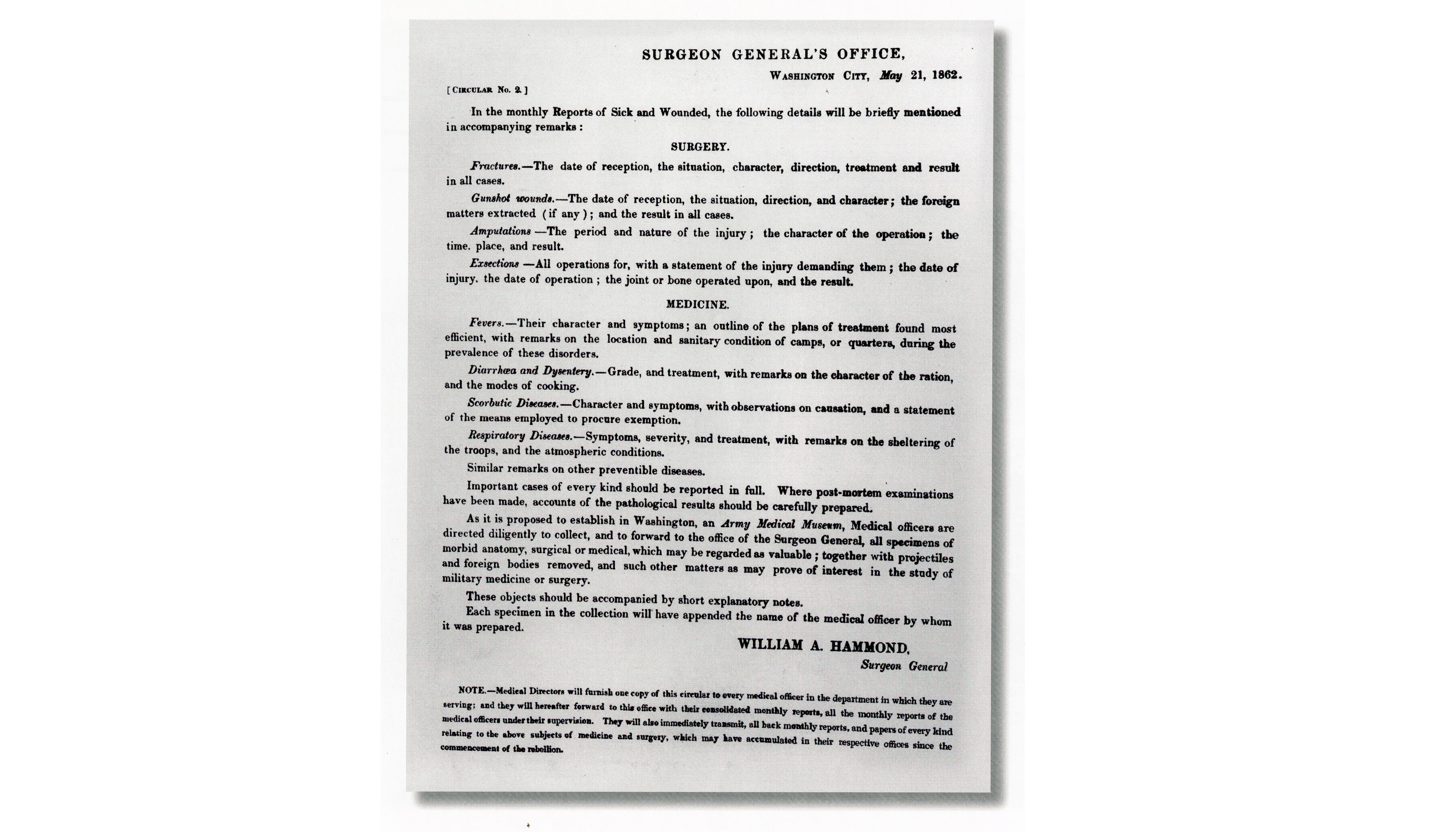
Circular No. 2, instructing Army surgeons to send medical and surgical specimens along with case reports to the Office of the Surgeon General and to establish an Army Medical Museum to collect and catalogue these specimens and reports, Surgeon General's Office, Washington, D.C., May 21, 1862, (MIS 62-2214). OHA 233.05 Medical Illustration Service (MIS) Library. Otis Historical Archives, National Museum of Health and Medicine.
In 1862, Surgeon General William Hammond created the Army Medical Museum and selected Brinton as its first curator. Hammond directed the museum to collect medical specimens and records from the war so Army doctors could study them and improve patient care.
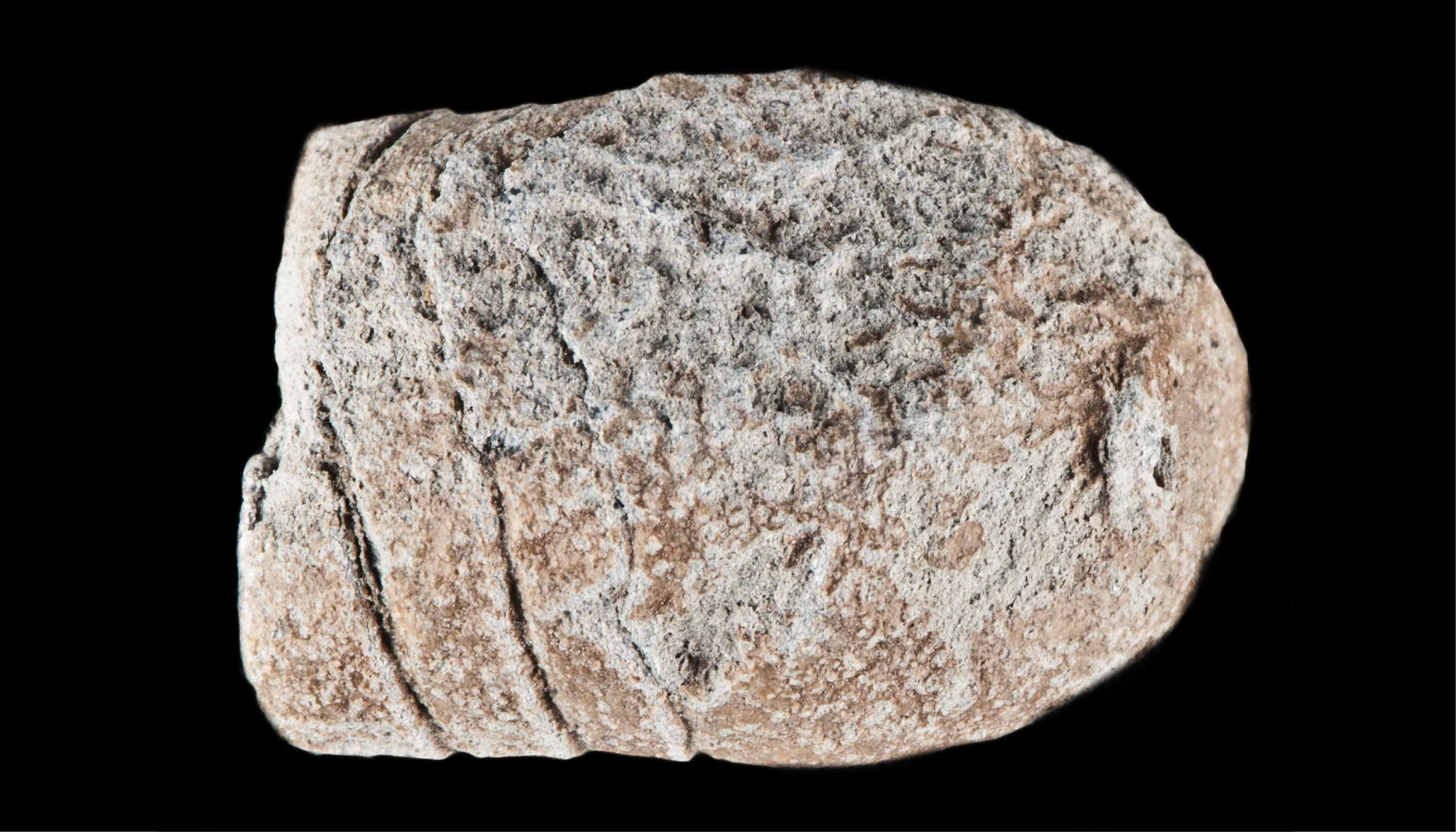
U.S. Army Maj. John Brinton contributed this conoidal ball (bullet) to the collection of the Army Medical Museum (now National Museum of Health and Medicine) in 1866. A Civil War surgeon removed the bullet from the hip bone of an individual who had been shot through the navel. [M-981.00092] (National Museum of Health and Medicine Photo by Kevin Sommer-Giron)
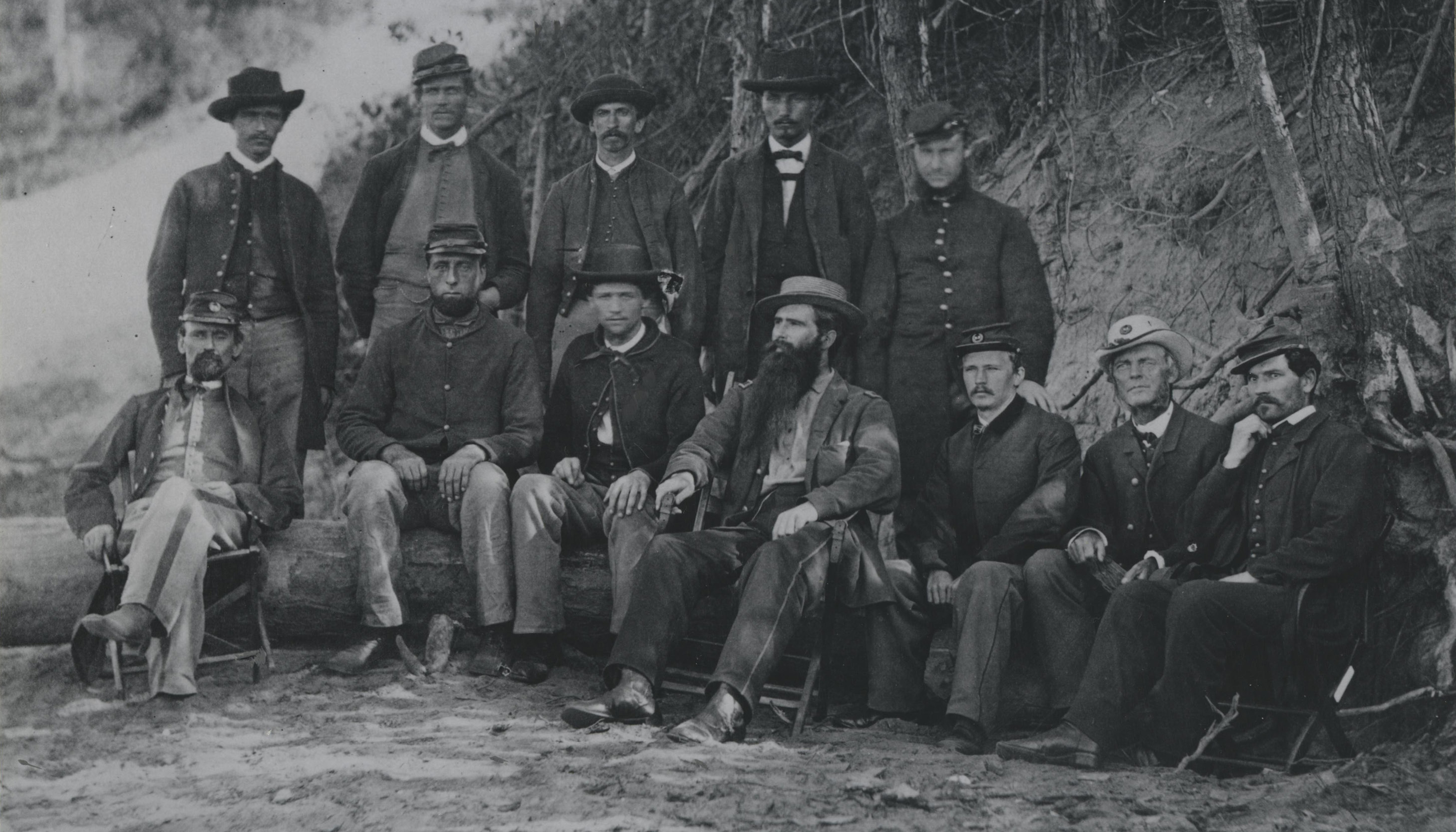
Acting surgeon John Brinton (front row, center) with a group of Union Army officers in the field, Civil War, (MIS 62-5062). OHA 233.05 Medical Illustration Service (MIS) Library.
Brinton immediately began building the collection. He collaborated with Army surgeons across the country and asked them to send specimens and case reports to Washington. They sent damaged bones, diseased organs, bullets removed during surgery, photographs, medical instruments, and hospital records. By January 1863, the museum held more than 1,300 objects. Brinton carefully organized each item and recorded its history because he knew the information behind an object was just as important as the object itself.
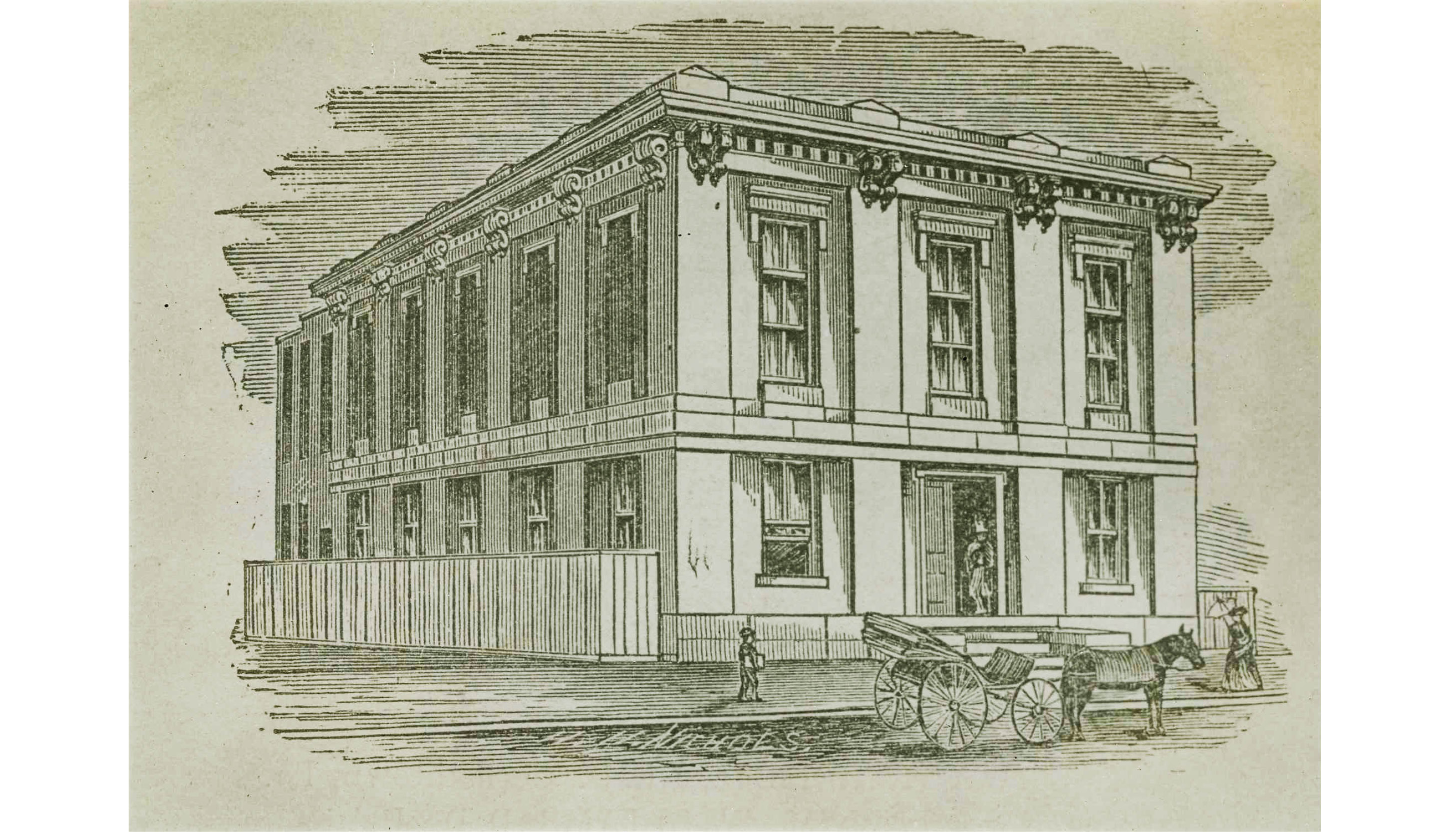
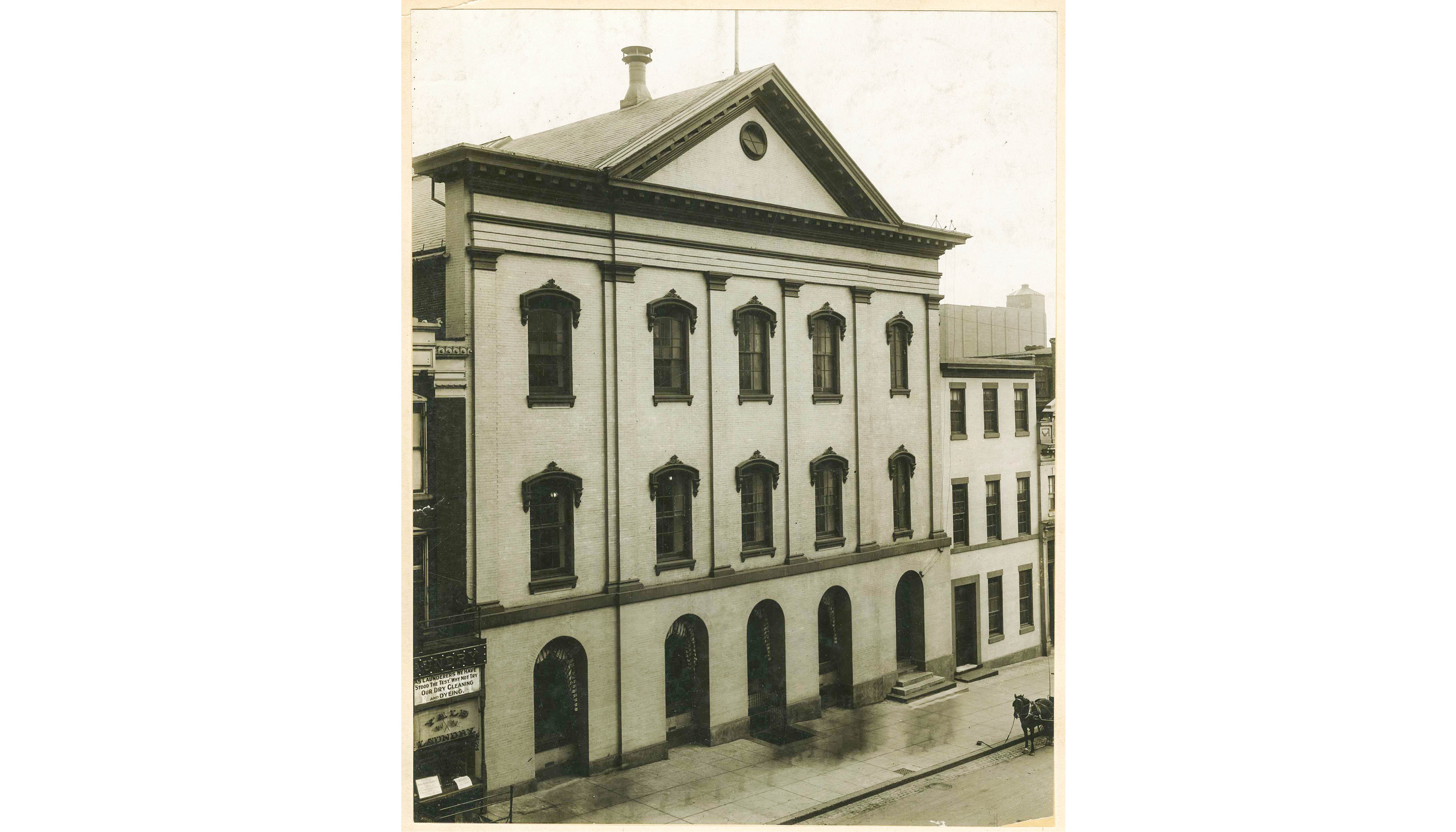
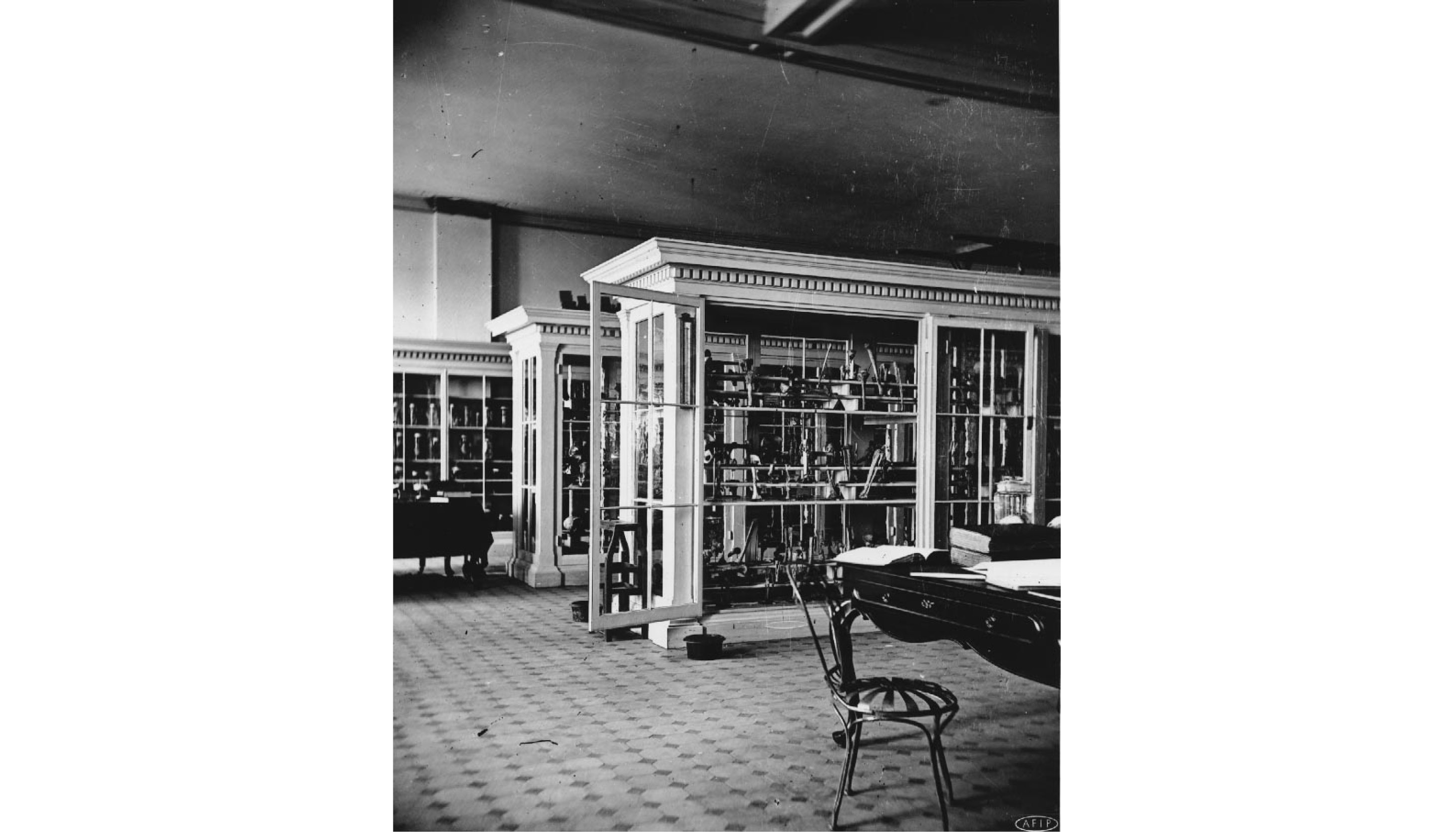
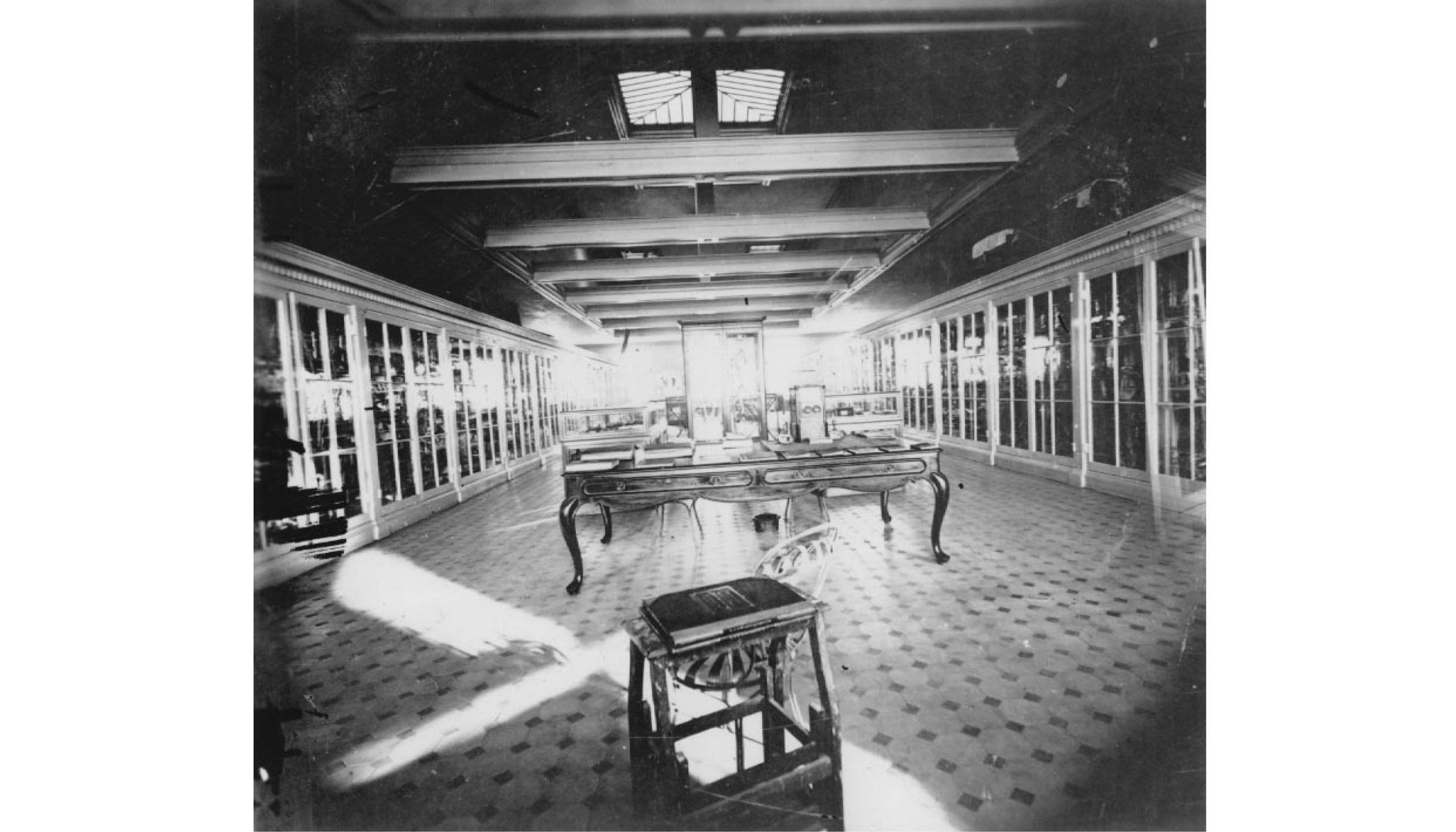
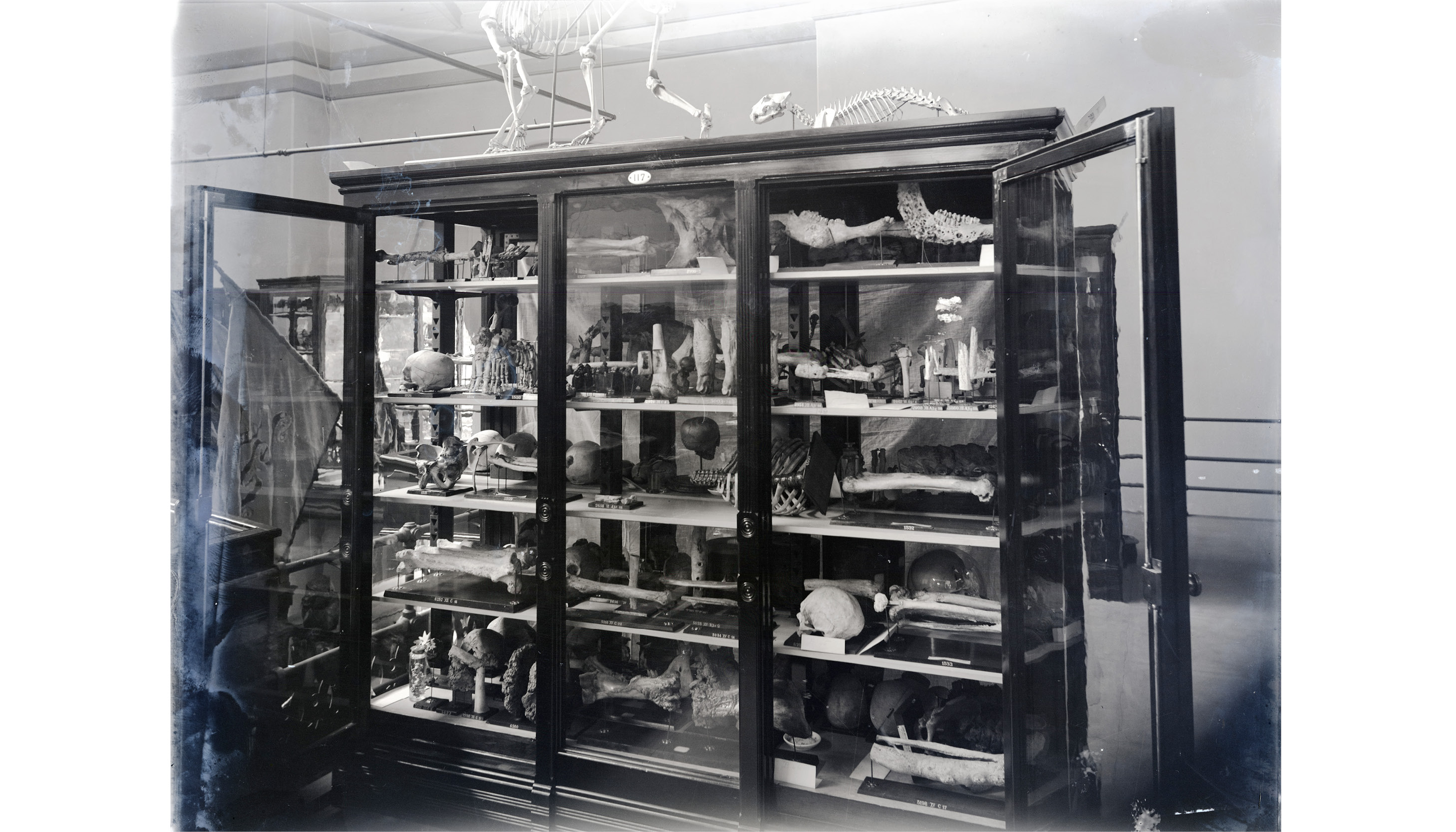
In 1864, Brinton's rotation of duty transferred him away from Washington and the Army Medical Museum. Just two years later, the growing museum moved to Ford's Theatre. The larger space allowed the museum to house and display the thousands of specimens, records, photographs, and artifacts Brinton helped collect during the Civil War. His efforts transformed the museum into a center for medical education and research, inspiring what is now known at the National Museum of Health and Medicine, "the collection which teaches."
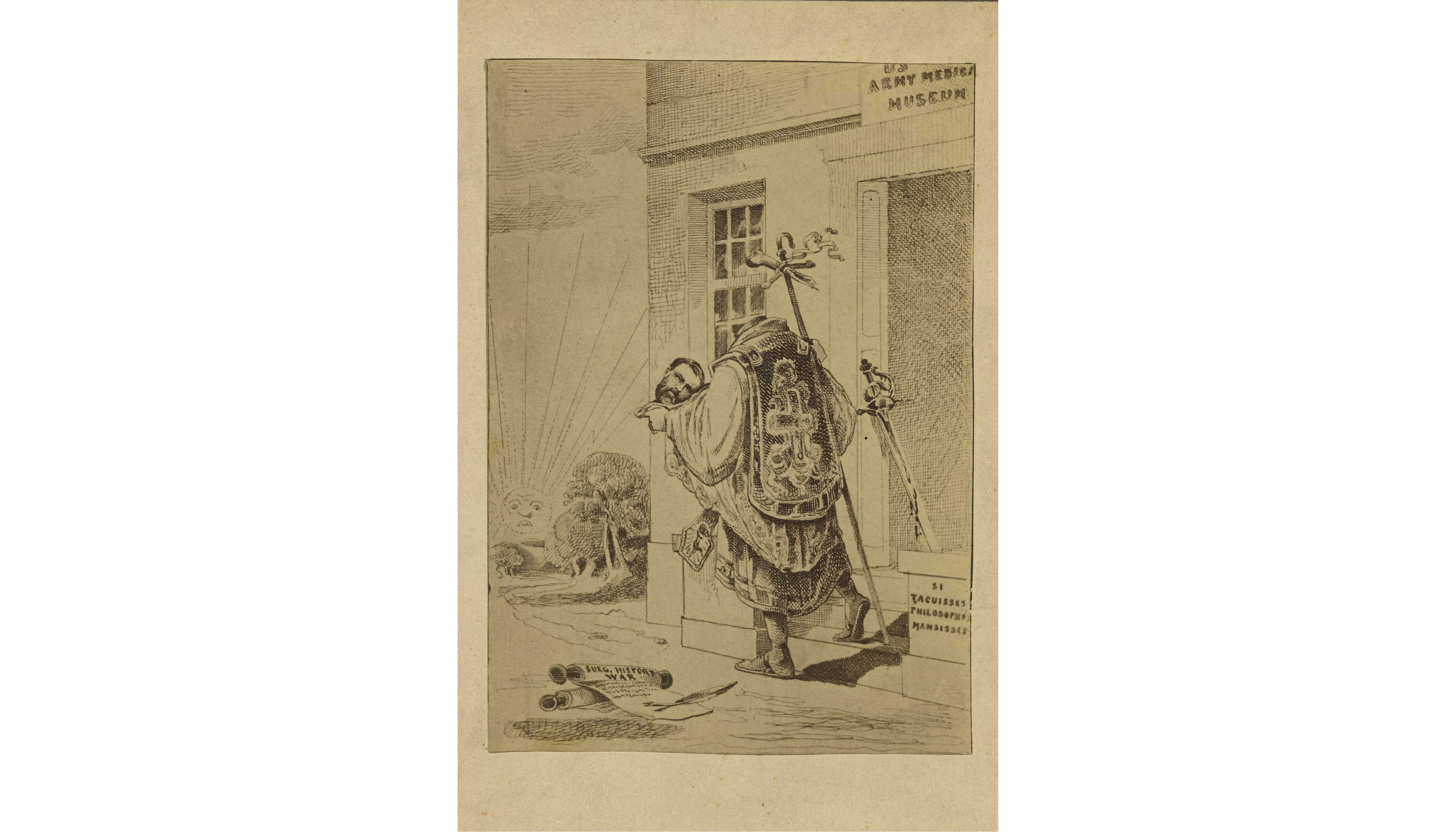
Cartoon of Major John Brinton. Brinton by Army Museum artist Hermann Faber. Brinton sent the cartoon to a friend in Washington, D.C., in 1862 after receiving orders to leave the city for military service elsewhere. (Reeve 32788). OHA 80 Reeve Photograph Collection.
A cartoon sketch created during Brinton's time at the museum depicts how much the institution meant to him. Museum artist Hermann Faber drew the cartoon after Brinton received orders transferring him away from Washington. The sketch portrays Brinton as St. Denis, a Christian saint often shown carrying his own severed head. In the drawing, Brinton is seen walking away from the museum carrying his head in one hand while leaving behind the unfinished Medical and Surgical History of the War of the Rebellion. The image made light of his departure while reflecting how deeply he cared about the museum and its mission.

The Medical and Surgical History of the War of the Rebellion, 1861-1865, six volumes. United States, Surgeon General's Office, contributors Joseph K. Barnes, Joseph Janvier Woodward, Charles Smart, George A. Otis, and David L. Huntington (Washington: Government Printing Office; 1870-1888). (140702-A-MP902-053)
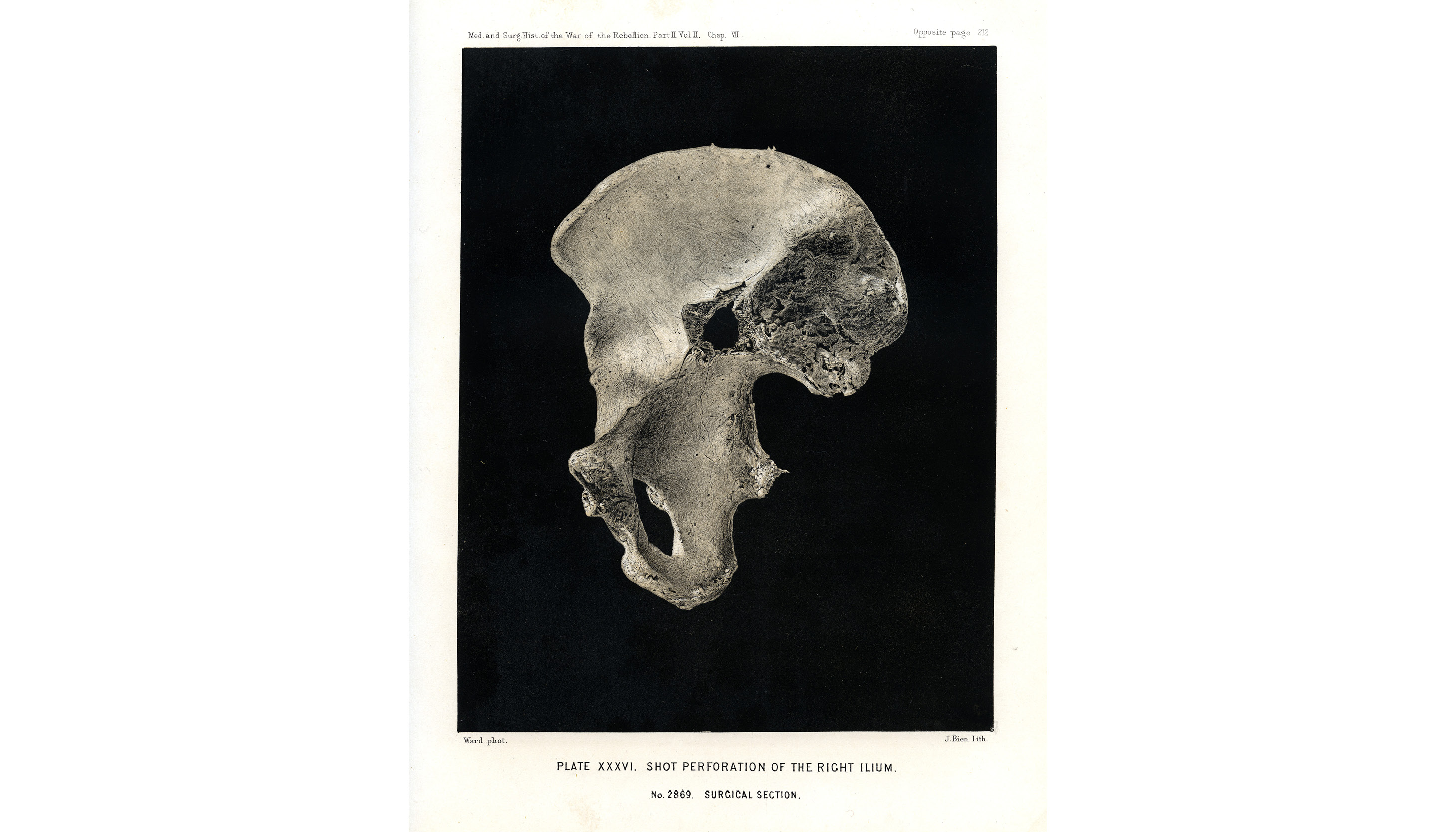
This lithograph, "Shot Perforation of the Right Ilium," appeared in Surgical Volume II, Part II of the Medical and Surgical History of the War of the Rebellion. The illustration documents a gunshot injury to the pelvis and reflects the Army Medical Museum's efforts to collect and preserve medical care records from the Civil War. National Museum of Health and Medicine.
Brinton's contributions laid the groundwork for publication of the Medical and Surgical History of the War of the Rebellion, one of the most important data collections to come out of the Civil War. The publication documented thousands of wounds, diseases, surgeries, and treatments. The cases described in its pages came from the specimens, photographs, records, and reports collected by the Army Medical Museum. By preserving and organizing those materials, Brinton helped create a permanent record of Civil War medicine and ensured that its lessons could be studied long after the war ended.
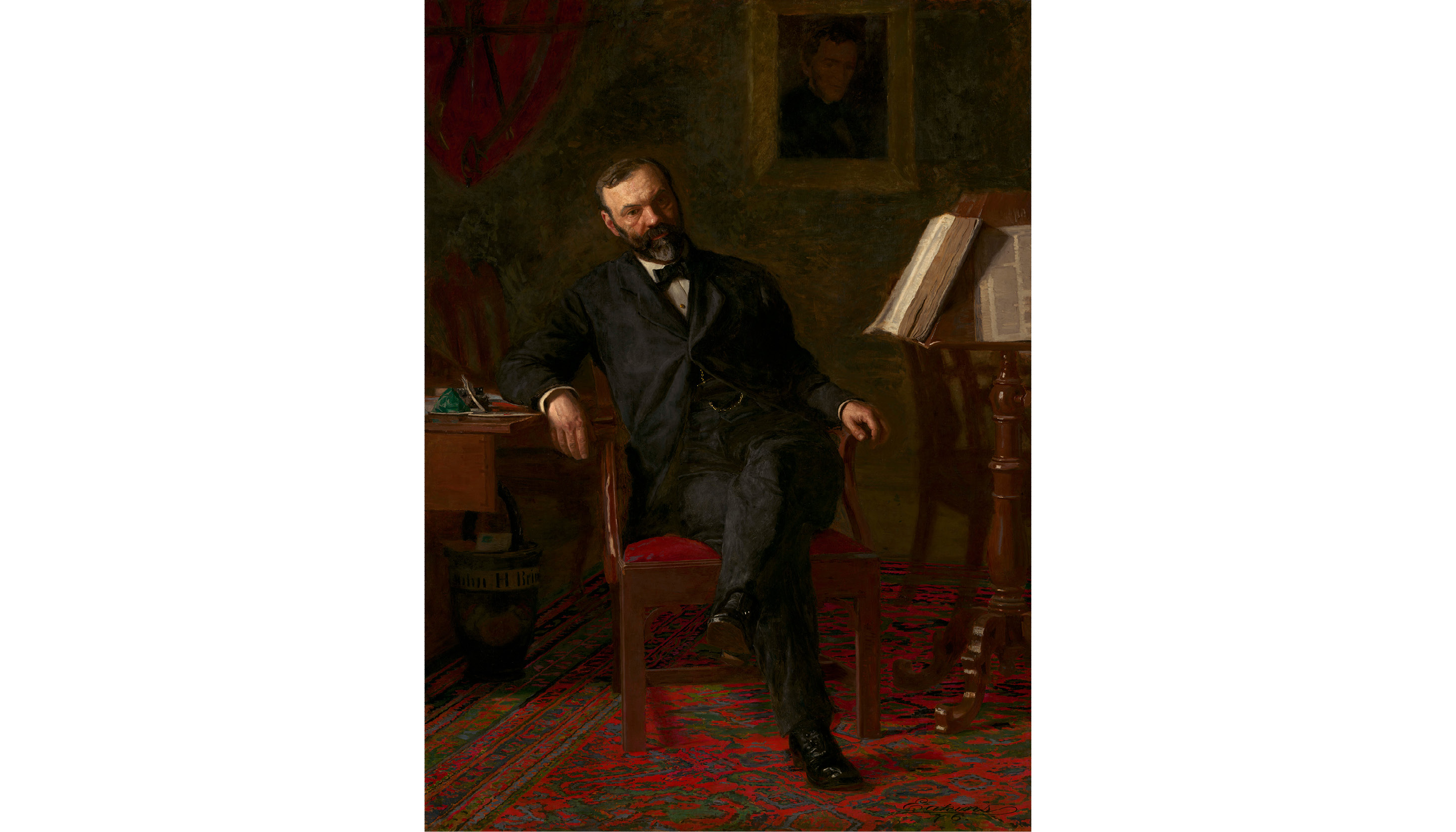
Portrait of Dr. John Brinton, first curator of the Army Medical Museum (National Museum of Health and Medicine) 1862-1864, by Thomas Eakins, 1876 (AFIP 49), (140809-D-D0458-001). OHA 262 Painting Collection. Otis Historical Archives, National Museum of Health and Medicine.
Years later, Brinton reflected on his work and wrote, "My whole heart was in the Museum." He believed the collection would help future generations understand the medical lessons of the Civil War. He wrote that "the results of the surgery of this war would be preserved for all time, and the education of future generations of military surgeons would be greatly assisted."
Brinton died in 1907 at age 75, but his work lives on. As the nation celebrates its 250th anniversary, the collections he helped build remain at the heart of today's National Museum of Health and Medicine. More than 160 years later, the specimens, records, and photographs he preserved continue to support research, education, and the study of military medicine. His collection of 1,300 artifacts has grown to more than 25 million objects in today's collections.
Through his work, Brinton helped ensure that the medical lessons of the war would be preserved for future generations and never forgotten.
Resources
Brinton, J. H. (1914). Personal memoirs of John H. Brinton: Major and surgeon U.S.V., 1861-1865. New York: Neale Publishing Company. National Museum of Health and Medicine Library, Call No. WZ 100 B858p 1914.
Henry, Robert S. AFIP, Its First Century. Washington, D.C.: Office of the Surgeon General, Department of the Army, 1964.